
Teaching & Educational Impact
My teaching focuses on helping students move beyond simply learning tools and toward thinking like engineers.
Across courses in CAD, digital design, and mechatronics, I design learning experiences that bridge theoretical concepts with real-world engineering practice.
Many of my students are preparing for careers in manufacturing, robotics, and electromechanical systems. My goal is to ensure they leave the classroom not just knowing how to operate software or hardware, but understanding how engineering decisions affect the systems they will build and maintain.
Teaching Philosophy
Engineering is best learned by building, testing, and iterating. While theoretical foundations are important, real understanding emerges when students apply those concepts to physical systems and encounter the kinds of constraints engineers face in practice.
My courses emphasize:
- Project-based learning that mirrors real engineering workflows
- Hands-on experimentation with hardware and digital tools
- Iterative design where students refine solutions through testing and feedback
Students are encouraged to approach problems the way practicing engineers do: defining requirements, evaluating trade-offs, documenting decisions, and learning from failure.
As both a practicing engineer and an educator, I intentionally integrate real industry practices into coursework so students gain experience with the tools, processes, and mindset used in professional engineering environments.
Teaching & Curriculum Projects
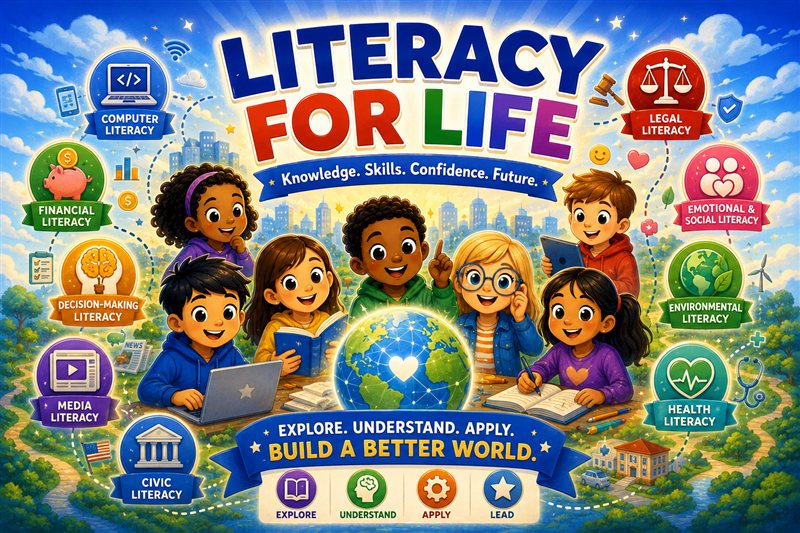
Computer Literacy for Kids Curriculum Project
A free, open 18-week computer-literacy curriculum for ages 8–12 that builds durable mental models for files, the internet, algorithms, digital judgment, and creativity — with an optional CAD extension.
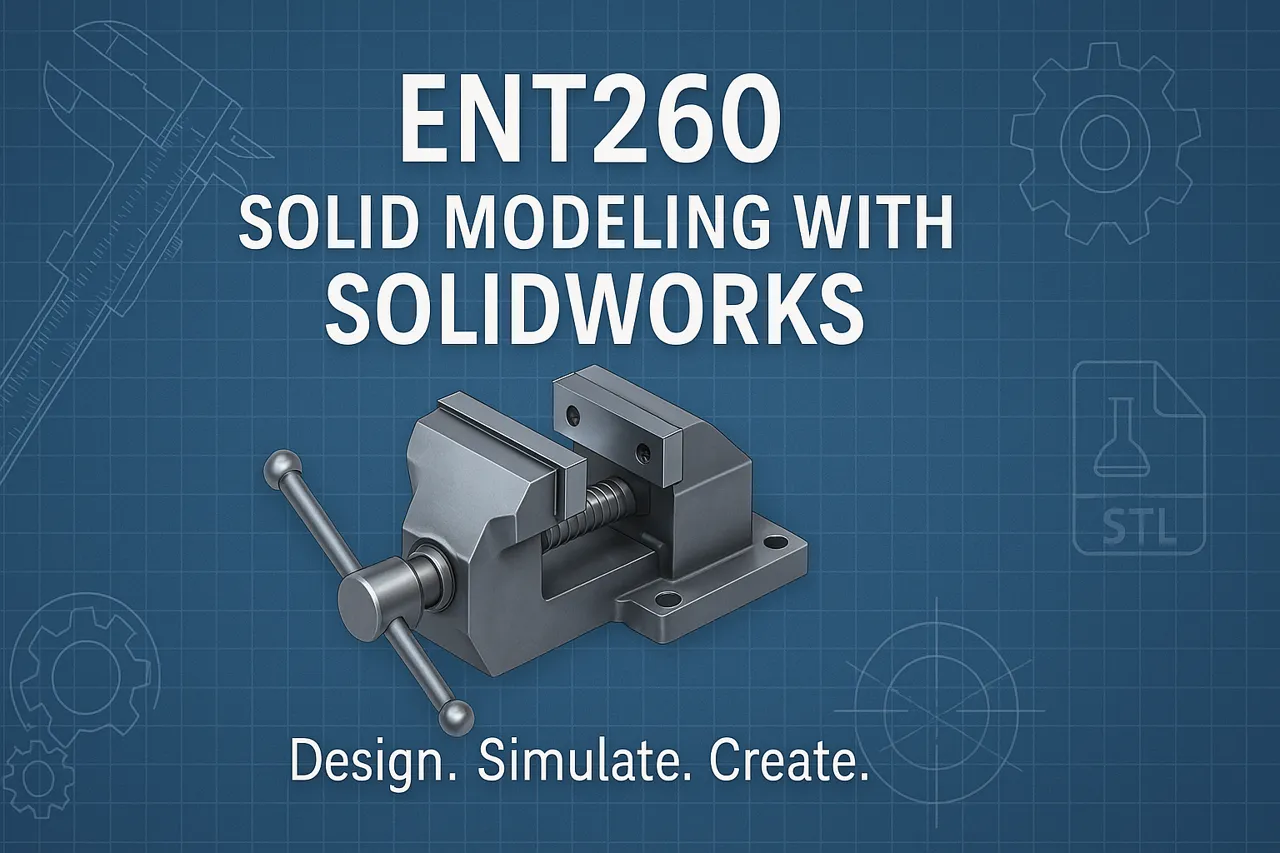
ENT260 — Proposed SolidWorks Curriculum Redesign
A proposed project-driven revision of a college CAD course, centered on real-world mechatronics, DFM/DFA, engineering documentation, and CSWA preparation.
Laboratory & Program Development
Across a decade of high-school engineering programs, I designed and built the fabrication labs the curricula ran in — additive manufacturing, CNC, laser cutting, and PCB/electronics prototyping — selecting the equipment, developing student workflows and safety practices, and maintaining the mechanical, electrical, and computing infrastructure.
The courses were built the same way: backward from learning outcomes, using professional tools and real engineering examples, with students evaluated on completed designs and working systems rather than worksheets. Student teams worked through full design cycles — CAD, fabrication, assembly, test, and troubleshooting — on hardware they could hold.
Teaching Scope & Outcomes
- College instruction: Adjunct faculty teaching engineering technology and solid modeling at Anne Arundel Community College.
- Certification outcome: In prior offerings of ENT260 at Anne Arundel Community College, approximately 75% of students passed the Certified SolidWorks Associate (CSWA) exam.
- Open curriculum: Literacy for Kids provides an open 18-week computer-literacy sequence with an optional CAD extension.
- Instructional hardware: The SENTRY platform supported hands-on use by 100+ students per year in its U.S. Naval Academy deployment.
Professional Development
I continually refine my teaching through both professional engineering work and ongoing involvement in technical education — developing project-based engineering curricula and mentoring students in hands-on design and fabrication, including through the FIRST Robotics Competition.
Related work
- SENTRY V3 — the deployed platform behind "100+ students per year": real hardware students build, wire, and run.
- Computer Literacy for Kids Curriculum Project — the open 18-week curriculum, built with the same backward-from-outcomes method.
- FIRST Robotics — two decades of the same project-based mentoring, at competition scale.